Biography
Interdisciplinary Composer, Artistic Researcher, and Educator
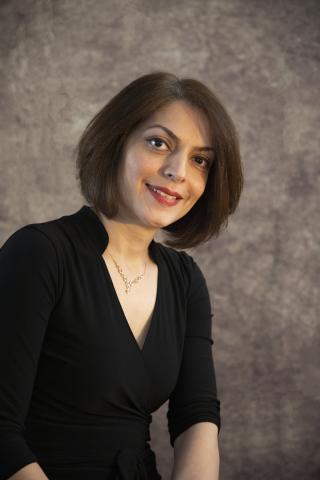
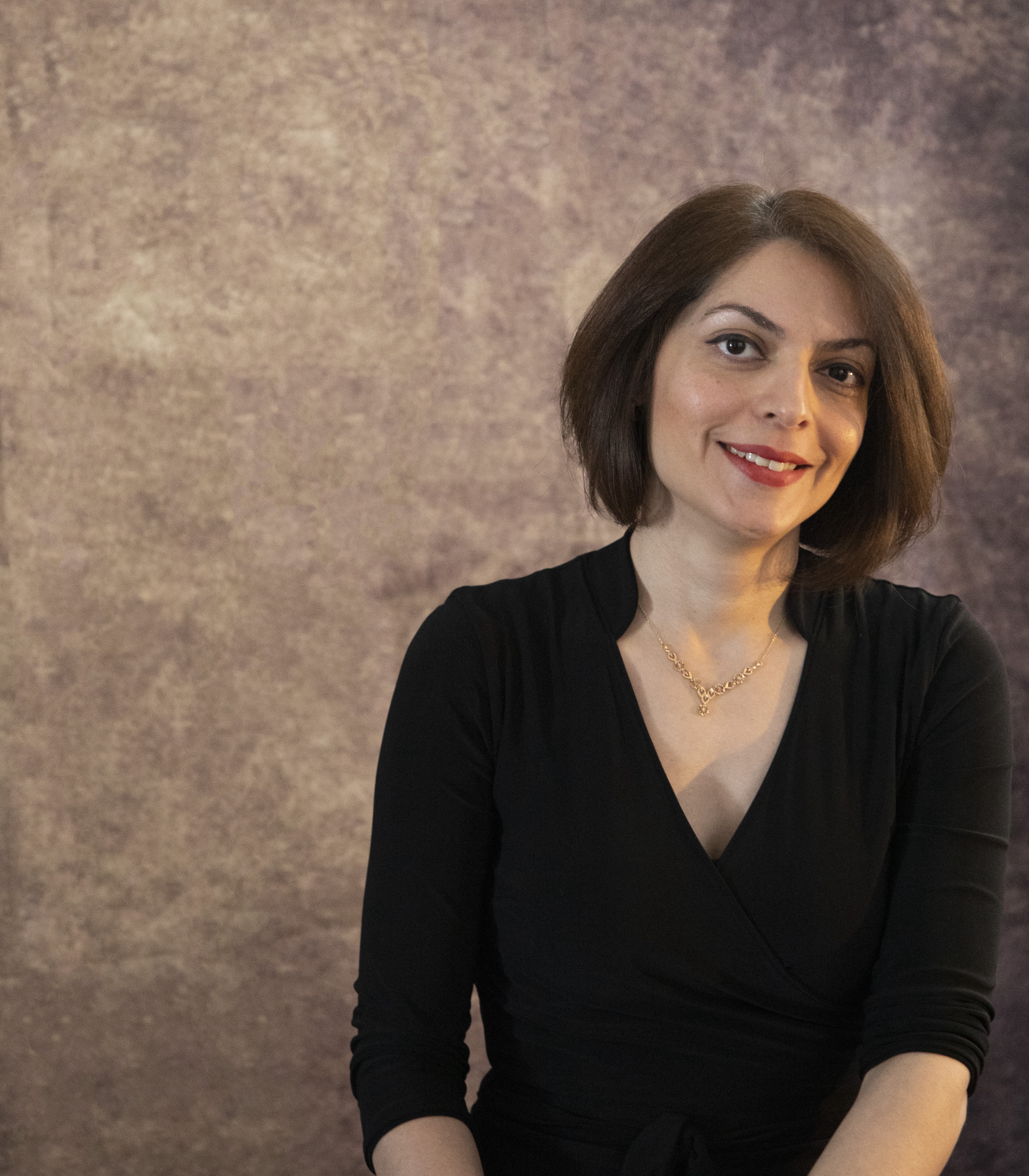
Dr. Parisa Sabet is an Iranian-Canadian interdisciplinary composer, artistic researcher, and educator whose work brings together music, technology, and collaborative artistic practice to create experiences that invite reflection, dialogue, and human connection.
Throughout her artistic practice, Sabet has become increasingly interested in how people make meaning in the face of uncertainty, loss, and change, and how artistic experiences can create space for new ways of seeing ourselves and one another. Her projects often begin with questions of identity, memory, resilience, justice, and belonging. Across her work, she designs artistic experiences that invite people to see stories, one another, and themselves in new ways while creating opportunities for meaningful conversation.
Her work ranges from intimate concert music to large-scale interdisciplinary projects, including the mini-opera A Girl Who Missed the Train (2025), the immersive installation Sabzeh (2025), the multimedia works Sepideh (2024) and Silent (2022), and her debut album A Cup of Sins (2022). Working closely with performers, dancers, visual artists, filmmakers, educators, and community partners, she develops projects in which music becomes one element within a larger artistic experience.
This way of working naturally extends into her teaching and leadership. Whether mentoring students, designing educational programs, or leading collaborative artistic initiatives, Sabet is interested in creating environments where curiosity, creativity, and individual artistic voices can grow. She founded No Need to Vanish, a nonprofit organization dedicated to making music technology education more accessible, believing that access to creative tools and opportunities should never determine whose voice is heard.
For Sabet, collaboration is another way of bringing people into conversation. This approach has led her to conceive and lead artistic initiatives such as Women, Art, Resilience, the Dawn Initiative, and the Israeli-Iranian Musical Initiative, each bringing artists and audiences together to foster dialogue through shared artistic experiences.
Sabet holds a Doctor of Musical Arts, a Master of Music in Composition, and a Master of Music in Music Technology and Digital Media from the University of Toronto. Her work has been supported through grants, commissions, and collaborations with artists and organizations across Canada and internationally.
Whether composing, teaching, or building community, Sabet is guided by a simple question: What does this story ask to become? She begins by listening—to the people, the context, and the questions that give rise to each project. Over the years, she has come to trust that meaningful artistic form grows through care, curiosity, and the patient discovery of what truly belongs—a process that continues to shape both her artistic practice and the questions she continues to explore.